Magazine Sampling Turns a Waiting Moment Into a Reader Introduction
November 19, 2026 · Team 360 · WRSS

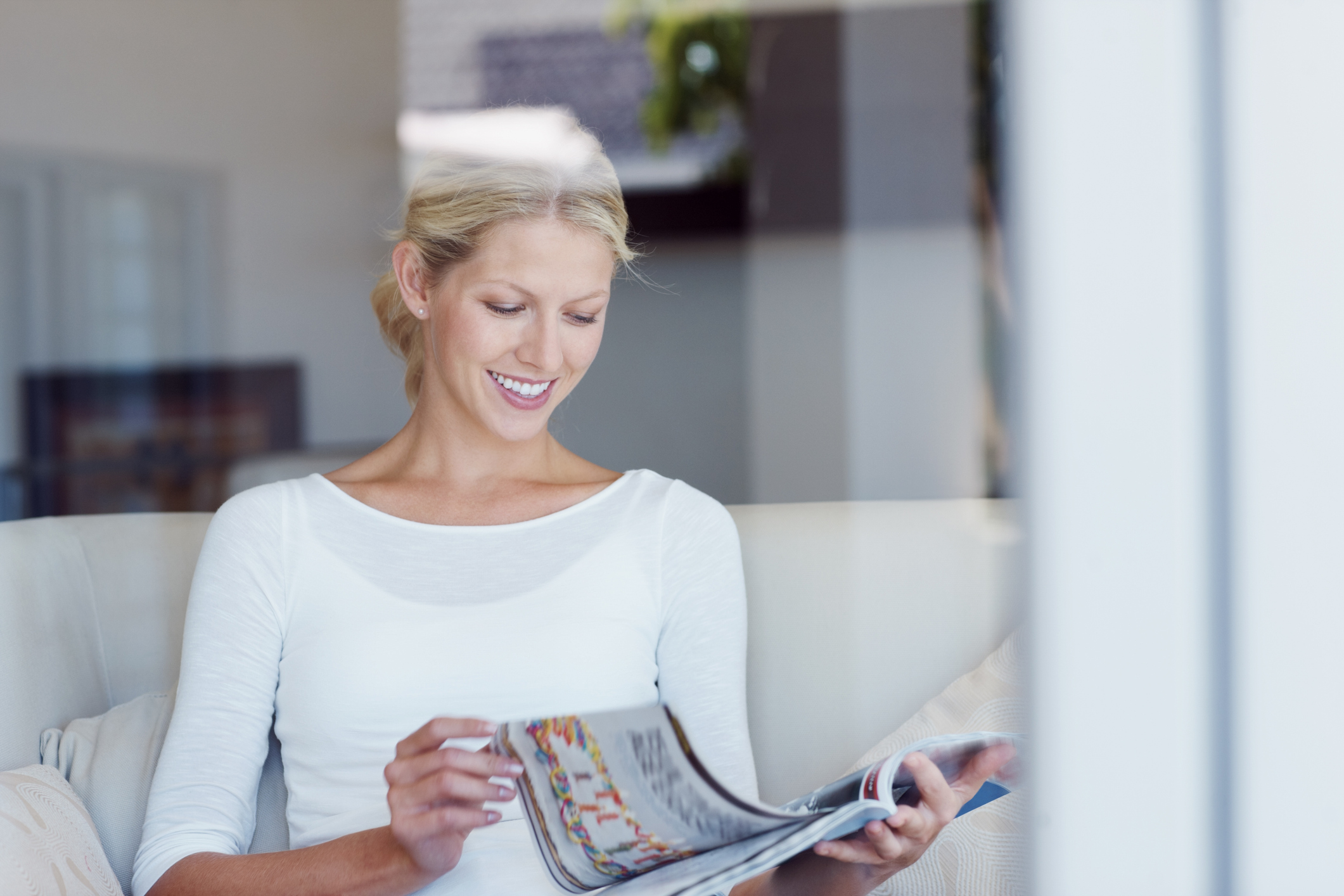
A customer arrives early for a haircut and settles into the reception area. A magazine cover featuring a beautifully renovated kitchen catches her eye, and she begins reading an article about restoring older homes. By the time her stylist calls her name, she's discovered a publication she wants to remember.
For publishers, magazine sampling creates opportunities for encounters like this. The waiting room experience gives visitors time to explore a magazine they might never have sought out on their own.
Through public-place placements, your magazine can reach potential readers during everyday appointments and errands. An interesting story or memorable feature may be enough to spark curiosity about future issues.
Magazine Sampling and the Freedom to Browse
Picking up a shared issue gives someone a chance to experience a publication before they commit to a subscription. A visitor who has recently taken up gardening, for example, might find seasonal planting advice that answers a question about their first plants.
Visitors can explore the content at their own pace, choosing articles that interest them without any expectation to subscribe. Someone may skim several features to get a feel for the publication, while another reader spends the entire wait with one story.
Different reading preferences also influence which titles people pick up. A general-interest magazine might appeal to someone browsing casually, while a specialized publication may attract a visitor looking for a deep dive into a favorite subject.
From Salons to Service Bays: Where Magazines Get Discovered
Waiting room magazines can feel especially relevant when their subjects connect with someone's reason for visiting. A salon customer awaiting a color appointment might turn to a feature about hair care, while someone waiting for new tires may enjoy a travel magazine with ideas for scenic drives.
At WRSS, our venue network includes medical offices, salons, and automotive locations, among other public waiting environments. Each offers opportunities to introduce publications to people during their everyday appointments and activities.
Even within the same business category, visitors can vary considerably. In healthcare reception areas, for example, a pediatric practice may welcome parents with young children, while a specialist's office may primarily serve adults. With that in mind, a publisher that offers parenting content might prioritize pediatric offices, where the magazine's subject matter is more likely to connect with visitors.
Make the First Few Pages Count
For publishers, it's useful to consider how much of your magazine's personality comes through in just a few pages. A memorable cover or a single article can make someone curious about the rest of the publication.
An appealing photograph may catch a visitor's eye, while the headline helps them decide whether the story offers something they're interested in exploring.
Consider a regional travel magazine featuring a nearby hiking trail. Someone drawn in by the photograph might discover a helpful trail description and suggestions for planning a weekend visit. A story that delivers on the promise of its cover gives the reader something useful to remember about the publication.
During a short wait, visitors may turn directly to a subject that interests them rather than reading from the beginning. Descriptive headlines and an organized contents page help them find appealing material quickly.
Recurring features add another layer of familiarity. A food magazine might include a seasonal recipe section, while a home publication could offer a regular column about common repairs. Features like these show first-time readers what they can expect in future issues.
A Sampling Strategy Built Around Your Ideal Readers
Your current subscribers can help you decide where to introduce your magazine next. Their locations and shared characteristics can help you identify communities where similar readers might be found.
Consider a regional arts magazine covering several neighboring towns. Concentrating copies within those communities keeps the publication close to the people and places featured in its content. A national title, meanwhile, may prioritize markets based on the characteristics of its existing subscribers.
At WRSS, our magazine distribution services use subscriber characteristics and consumer information to help identify suitable venues. We also consider your publication's category and magazine circulation goals. Publishers without detailed subscriber demographics can receive recommendations based on their readership category and insights from our consumer database.
Reliable public place distribution also depends on keeping venue information current. Participating businesses may relocate or close, affecting where copies should be sent. We manage fulfillment and maintain location records as part of that ongoing work.
Before choosing a distribution partner, find out how venues are selected and what confirmation you'll receive about where your issues are placed. Ask how often the venue list is updated, too, so your circulation team has dependable information when planning future shipments.
Help First-Time Readers Find You Again
An appointment can interrupt a story just as someone gets interested. A short, memorable website address near the content gives the reader a way to return to your publication later.
QR codes can make the next step more specific. Someone enjoying a recipe, for example, could scan a code beside it to discover more dishes from the same issue or sign up to receive new recipes by email.
Publishers offering digital reading experiences can also give visitors a way to revisit the issue they encountered in print. Keeping the cover and publication name consistent makes it easier for readers to recognize the magazine when they look it up later.
A brief subscription invitation near the end of a feature can support reader acquisition without distracting from the story, too. Inform interested visitors about what future issues will offer and give them an easy way to sign up.
An email newsletter offers another option for readers who want more content before they commit to magazine subscriptions. Sharing selected features or previews of upcoming issues can support audience development and give readers a reason to stay connected with your publication.
Dedicated QR codes and subscription offers can also show which invitations generate the most interest. You can use those responses to improve the way future issues encourage readers to continue their relationship with the magazine.
Make the First Introduction Count
Your next subscriber may first discover your magazine while waiting for an appointment. Magazine sampling lets publishers make those introductions in locations that align with their readership goals.
At WRSS, we develop customized distribution programs around your audience and priority markets. Talk with our team about the readers you'd like to reach, and we'll help identify public venues that make sense for your publication.
Tags:print publishing, readership growth, circulation strategy, consumer discovery, content distribution, audience engagement
Related Posts

In Praise of the Local: Why Regional Magazines Matter
Regional magazines play an essential role in discovery, trust-building, and audience engagement.
Waiting Room Advertising Still Works in a Distracted World