
Waiting Room Advertising Still Works in a Distracted World
September 28, 2026 · Team 360 · WRSS
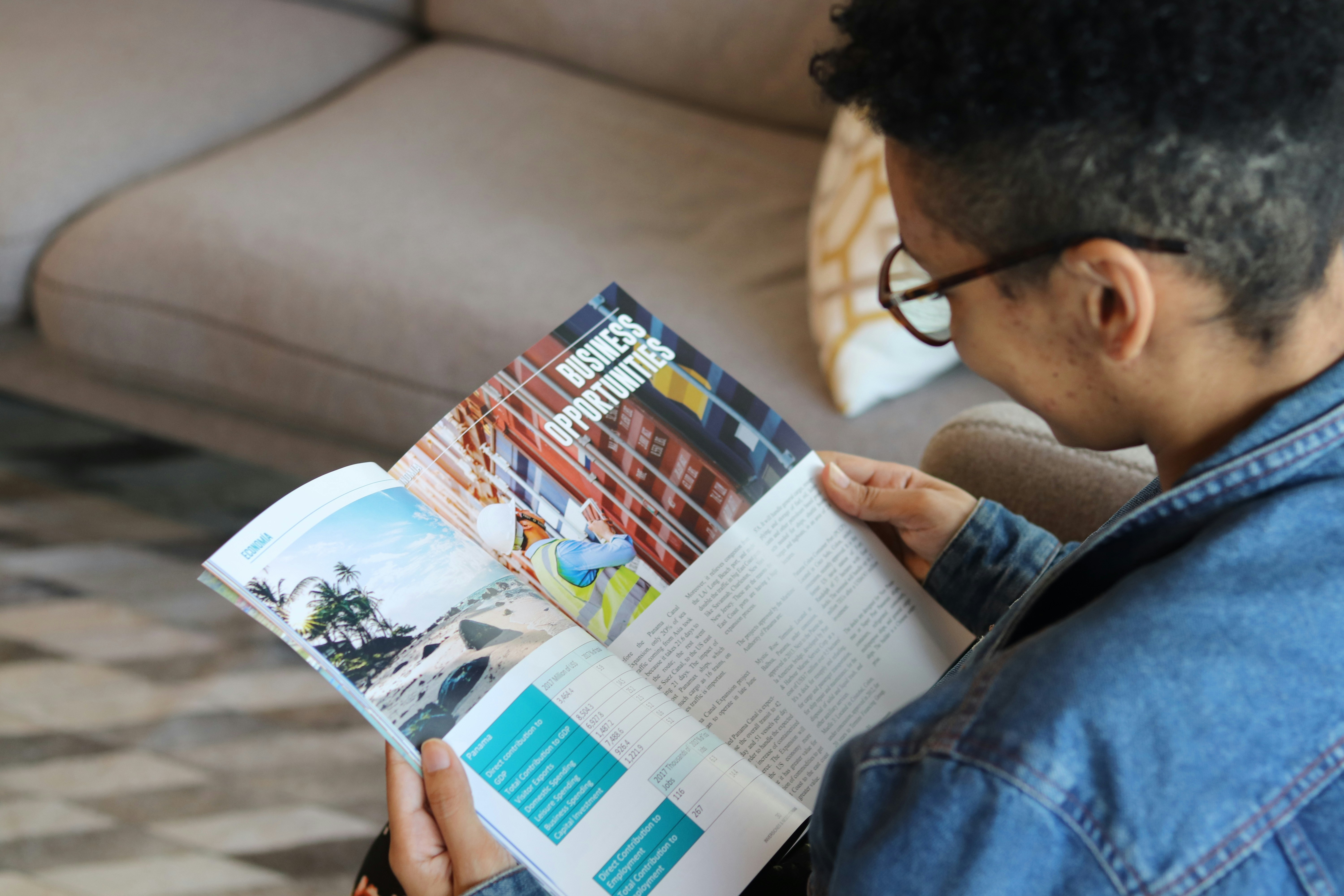
Your audience moves through a constant stream of messages. Email, social media, streaming platforms, mobile apps, and digital displays all compete for attention throughout the day.
That competition makes focused attention even more valuable. An ad can reach the correct audience and still disappear within seconds when someone is scrolling quickly or dividing attention between several screens.
A waiting room creates a different kind of moment. Visitors have already paused their schedules, and many welcome something engaging to read while they wait. A relevant magazine can fill that time while giving advertisers a chance to reach readers in a calm, useful setting.
Attention: The Most Valuable Advertising Resource
Reach continues to be important, though it only tells part of the story. A campaign also needs enough attention for the audience to absorb the message.
Digital media gives consumers many ways to move quickly. It’s all too easy to scroll past a sponsored post, close a pop-up, change tabs, skip a video, or turn their focus to another device. Habits like these shorten the amount of time available for an advertisement to sink in.
Waiting room advertising reaches people after they have stopped moving from one responsibility to the next. A visitor may have several minutes available before an appointment, service, or meeting begins. When a magazine captures that person’s interest, the advertisements appear within an experience the reader chose.
For your own campaigns, the most useful question may be simple: Where can you reach people when they have enough time to notice what you have to say?
Waiting Rooms Create Natural Reading Time
A waiting period gives visitors a block of open time. Some people reach for their phones, while others prefer a break from another screen.
Magazines fit that setting well, as captive audience advertising means readers have time to engage with a publication at their own pace. A reader can browse a short article, explore a feature, review product ideas, or move between sections without committing to a long activity. The format works during a brief wait, but it can also remain engaging during a longer visit.
Research on healthcare waiting areas shows that comfort, personal choice, and meaningful activities can shape the way visitors experience a wait. A well-selected magazine supports that experience by giving visitors control over what they read and how they use their time.
Reader choice has shaped WRSS for more than 30 years. Through thousands of public venues across the country, WRSS connects magazine publishers with millions of readers annually. Locations range from pediatric offices and veterinary practices to salons, spas, fitness centers, real estate offices, and automotive facilities, among many others.
Relevant Surroundings Give Advertising More Context
The placement of an advertisement can influence how useful its message feels. A product or service gains immediate relevance when it connects with the reason a person is in the room:
A beauty product can feel timely in a salon.
Home services may fit naturally in a real estate office.
Pet products align with the interests of visitors at a veterinary clinic.
Family brands can reach parents in pediatric offices.
Automotive products can connect with drivers waiting for repairs.
In each of these examples, the location gives the advertisement an immediate frame of reference.
For waiting room marketing, the most effective placement starts with the interests, responsibilities, or needs a visitor already has in mind. The surrounding environment simply helps the advertisement feel more useful and timely.
Context should also guide your creative choices. An advertisement designed for a bridal boutique should use different imagery, language, and offers than one placed in a healthcare office. Even though the audience may share some traits, the immediate reason for the visit changes the way the message is received.
A strong placement brings the publication, the reader, the location, and the advertiser into close alignment.
Print Supports More Deliberate Engagement
Digital media often encourages quick movement. Readers swipe between posts, open several tabs, and respond to alerts while consuming content.
A print magazine offers a more contained experience. The reader physically holds the issue, turns each page, and chooses when to move forward. An advertisement remains part of that sequence instead of disappearing after a scroll.
Print can also provide several opportunities for exposure during one reading session. A reader may pass an ad while searching for a feature, return to it after reading another article, or notice it again while placing the magazine back on a table.
Placement options can further increase visibility. An advertisement may appear beside related editorial content, on a prominent cover position, or through a magazine cover wrap designed to connect a specific advertiser with a selected audience.
Readers often form longer relationships with publications that more closely match their interests, too. Connections may begin with a useful article, a memorable cover, or a recommendation that fits a current stage of life, but reading habits can follow readers as their interests and responsibilities change.
In general, print works best as part of a wider media plan. It offers a tactile, slower-paced experience that complements the speed and convenience of digital channels.
Targeted Distribution Improves Placement Quality
A busy room may generate circulation, though traffic volume alone says little about whether those readers match your goals.
That’s why targeted distribution begins with clear audience criteria:
Who do you want to reach?
Where do those readers spend time?
Which publication categories interest them?
Which geographic areas matter most?
A title focused on homeownership may make the most sense when placed at selected real estate offices, professional service firms, and healthcare locations in specific ZIP codes. A parenting publication may prioritize pediatric practices and family-oriented businesses. A regional title may need placements concentrated within the communities covered by its editorial content. Each location should support a defined purpose.
Through WRSS, distribution plans can reflect reader demographics, geographic priorities, location characteristics, and the traits found in a publisher’s existing subscriber file. The Best Reader Model compares those traits with a broader prospect pool to build a location list that closely resembles the current audience.
This custom approach supports two central goals: reaching more of the right readers and building a larger, cleaner subscriber database. Each publisher follows a different growth path, so the mix of locations, markets, and audience criteria should reflect the publication itself.
Waiting Room Advertising Can Reinforce Other Channels
Consumers may encounter a brand several times before they remember it or take action. One interaction may come through search, while another may appear in an email, social post, direct mail piece, or retail display. Waiting room magazine advertising adds a physical encounter to that sequence.
A reader may see your print advertisement during an appointment, search for the brand later, and recognize it again on social media. A mailed offer may feel more familiar because the recipient previously noticed the company in a trusted publication.
Consistency helps these moments connect. Use recognizable imagery, a clear brand voice, and an offer that works across channels. A memorable URL, QR code, search phrase, or promotion can give readers an easy next step.
Publishers can also carry the same content into other formats. A broader publishing product suite can connect print distribution with digital reading experiences, allowing content to reach readers in several settings.
Each channel can serve a distinct purpose. Waiting room advertising creates a tangible, location-based encounter, while search helps readers find more information, email continues the relationship, and social media adds frequency and timely updates.
What Publishers Should Look For in a Distribution Partner
The quality of your distribution plan affects the value of the copy you place. Before choosing a provider, think through locations you may want to select and how the network will be maintained.
Start with audience targeting. Ask what data or criteria are used to connect your publication with relevant venues.
Next, think about geographic coverage. A broad network should include meaningful access to the markets that matter to your circulation goals. Location variety can also help a plan reflect different segments of your audience.
Publisher relationships, database maintenance, postal quality, and experience managing ongoing programs can each affect the reliability of the campaign. That’s why your distribution provider should be able to explain how the plan will support the publication’s larger goals.
When your targeting criteria need refinement, the WRSS team can even recommend an audience based on existing reader demographics and insights from its consumer database.
Getting Your Magazine Into the Right Rooms
Media habits will keep changing. Phones will likely remain part of the waiting experience, and digital channels will continue helping people find information and interact with brands. Physical settings still create useful moments of pause.
A well-placed magazine gives visitors something engaging to choose during downtime. Magazine advertising reaches readers with relevant content in a location connected to their interests or immediate needs.
The opportunity becomes stronger when distribution decisions reflect the audience you want to build. Location type, geography, reader demographics, publication category, and database goals should all shape your plan.
WRSS brings those factors together through customized distribution programs built around each publisher. The goal is to place magazines where they can reach more suitable readers while helping publishers maintain stronger, cleaner subscriber databases.
So where does waiting room advertising belong in your growth plan? A conversation about your readership, circulation priorities, and ideal venues can reveal the answer. Connect with the WRSS team to turn your priorities into a focused path, one aimed toward the right rooms and the readers inside them.
Tags:Advertisers, Publishers
Related Posts
How Waiting Room Magazine Advertising Still Earns Attention Across Every Generation

Local Advertising Is Changing Across the Nation: Why It Matters for Your Brand