
Understanding Cross-Channel Advertising: Why the Strongest Campaigns Rarely Live in Just One Channel
May 19, 2026 · Team 360 · 360 Media

Your customers move through several media environments during a normal day. They might browse online before work, check email in the afternoon, pick up something to read during an appointment, or interact with an offer after making a purchase. People divide their attention among different media and devices, a pattern that continues to shape cross-media planning.
Cross-channel advertising coordinates placements across these different moments so each one serves a purpose within a larger campaign.
The goal is to choose touchpoints that make sense for your audience and your campaign. And with the right marketing tools, you can build a plan around what each placement needs to accomplish, rather than simply adding more channels.
Cross-Channel Advertising Starts With the Role of Each Channel
Good media planning starts with one question: What should this placement accomplish?
One channel might introduce your brand to someone new. Another may give an interested customer more time with your message. A later placement could support a purchase or encourage another interaction after the sale.
The strongest advertising channels earn their place because they serve a clear purpose. Look at the setting where someone will encounter the message and what that person may be doing at the time, then consider how the interaction supports your campaign strategy.
Context can change the job of a placement. An ad seen during an online checkout serves a different purpose from content encountered during a quiet period when someone has several minutes available to engage.
Your media mix needs to reflect those differences. 360 Media Direct supports media services across acquisition, retention, audience development, and advertising, giving marketers several ways to connect individual placements to broader campaign goals.
Before adding another channel, be able to explain the job it needs to do. That answer gives the rest of the plan a clearer foundation.
Different Environments Create Different Kinds of Attention
Reach tells you whether people have an opportunity to encounter your message. The environment surrounding that message can tell you more about the kind of attention available in a given moment.
Consider someone scrolling through digital content at home compared with someone sitting in a medical waiting room. Each setting has a different pace, and each creates a different reason for engaging with media.
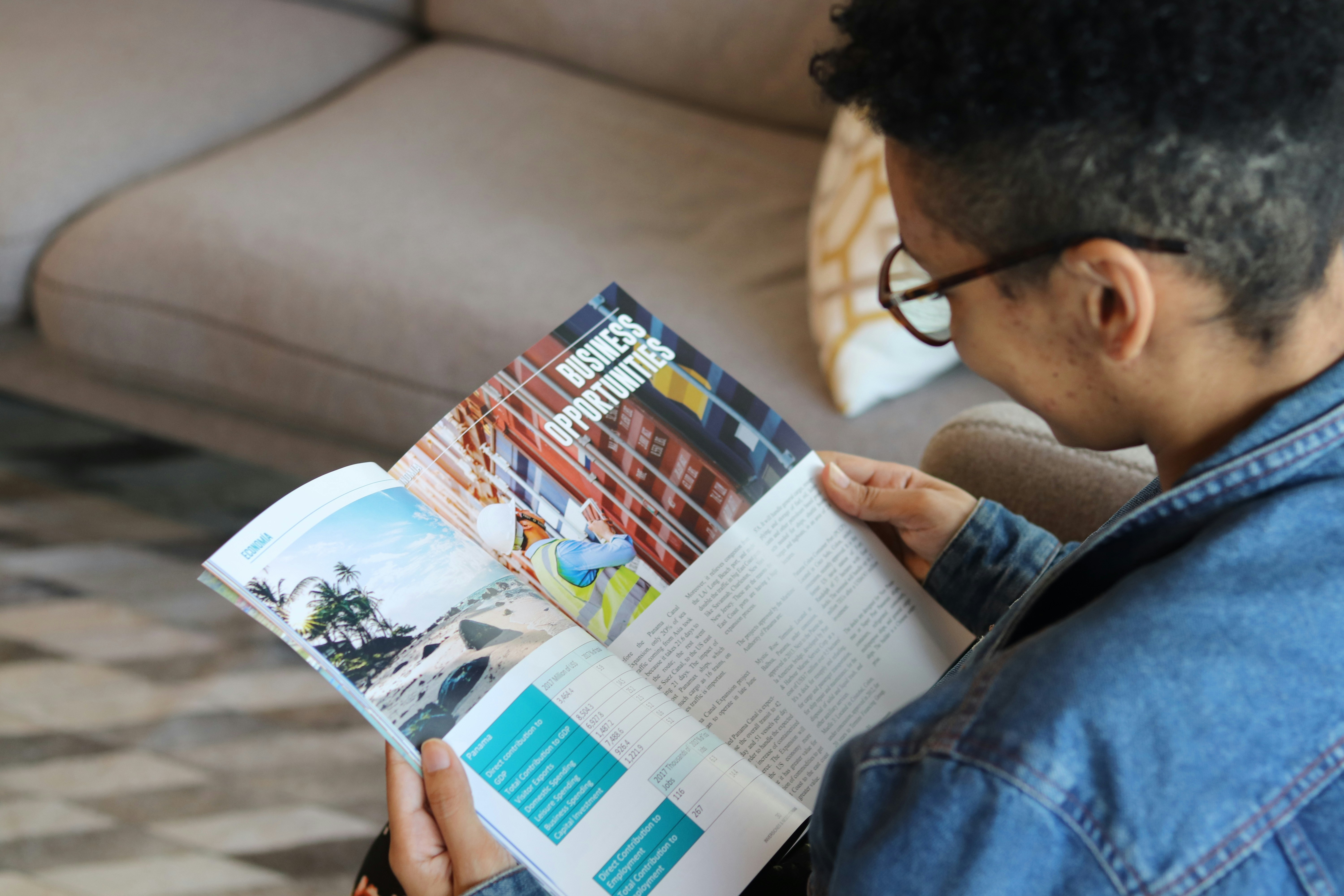
Research on waiting room materials has shown that patients are likely to notice and use printed information available during their visit. Physical settings can therefore play a useful role alongside digital advertising. 360 Media Direct’s work with waiting room media reflects how magazine content can give patients something accessible to engage with while they wait.
Waiting Room Subscription Services supports that opportunity through targeted distribution, placing magazine content in selected environments where publishers and advertisers can connect with relevant audiences.
Digital placements create another kind of interaction. They can reach people while they browse online or move through a transaction path.
The setting around an impression helps determine what kind of message fits the moment. A thoughtful media plan needs to consider both reach and context.
Repetition Works Better When Every Touchpoint Has a Job
A customer may encounter your brand several times before taking meaningful action. Cross-channel marketing helps those encounters feel connected as the person moves through the customer journey.
Consistency can help someone recognize the same brand across placements, even if the execution changes with the setting. For example, a print placement might give a reader more space to spend time with a story. Interactive content can encourage deeper exploration in a digital magazine. A post-purchase offer serves another purpose because it reaches someone who has already completed a transaction.
Each touchpoint can support a different stage while still feeling like part of the same integrated marketing campaign.
The larger lesson is to plan each placement with the previous customer experience in mind. When you give repetition a purpose, it helps maintain brand consistency without running identical creative efforts everywhere.
Audience Targeting Should Shape the Media Mix
Audience targeting gives your channel choices greater precision. Once you know which customers you want to reach, their media habits can help determine which placements deserve a role in the campaign.
Research into digital media habits shows meaningful differences in platform use across audiences, which reinforces the value of making placement decisions around actual consumer behavior.
Consider where your intended customers encounter useful content and which environments naturally fit the product or offer you want to present.
AdSmith is a targeted advertising platform that can support placements in settings such as onsite experiences, newsletters, post-purchase offers, and partner environments.
Those options give marketers several possible points of connection, but every placement still needs a reason to be there. Matching the environment to the audience helps you make more deliberate media choices.
A Connected Campaign Still Needs Room to Change
A media plan gives your campaign an initial structure. Once the program is active, individual placements can provide information that helps guide later decisions.
You may learn that one environment produces stronger engagement from a certain audience. Another placement may work better with different messaging. Those signals can help you decide where to direct campaign investment and whether additional placements belong in the program.
Campaign flexibility becomes especially important as programs grow. 360 Media Direct’s approach to performance marketing emphasizes building programs that can add placements, test messaging, and expand without requiring teams to rebuild the campaign structure from scratch.
A multichannel advertising program can change over time while keeping its central direction. Some channels may take on a larger role as the campaign develops, while others continue to support a specific audience or stage.
Your campaign structure should make those changes manageable. Flexibility gives you room to respond to what the program is showing you without losing the connection between channels.
Build Your Next Cross-Channel Advertising Plan Around the Customer
Before choosing placements, put the customer at the center of your planning process. Use a few practical questions to test your plan:
Where does your intended audience naturally spend time?
Which placement should introduce the message, and where could someone engage more deeply?
Does each channel have a specific purpose within the larger campaign?
Will customers recognize a connected experience as they move between touchpoints?
Can the campaign expand as you learn which placements are contributing?
Your answers can reveal gaps before the campaign launches. You may discover a channel with no clear role or a stage of the customer journey that needs stronger support. 360 Media Direct’s broader media approach focuses on connecting companies and consumers through targeted print and digital strategies.
Looking at previous customer relationships can show how different campaign goals call for different combinations of media, audience development, acquisition, and retention.
Use that information to refine the plan before deciding where additional placements belong.
Connect the Moments That Matter
Cross-channel advertising gives you a framework for connecting customer interactions that happen in different environments. A thoughtful plan considers the purpose of each placement and how those interactions support the larger campaign.
At 360 Media Direct, our work spans print and digital media strategies. Our platforms support targeted advertising through AdSmith and customer rewards through bPerx, while ClicknRead brings interactive features to digital magazine content. WRSS adds precision-targeted magazine distribution to the mix.
Together, those media solutions support different points in the customer experience without forcing every campaign into the same channel mix.
The right combination depends on your audience and campaign goals. When you talk with our team, we can explore the people you want to reach and the placements that make sense for your campaign.
Tags:Advertisers
Related Posts
Waiting Room Advertising Still Works in a Distracted World

How Waiting Room Magazine Advertising Still Earns Attention Across Every Generation